
When Does a State Crime in Pennsylvania Move to Federal Court?
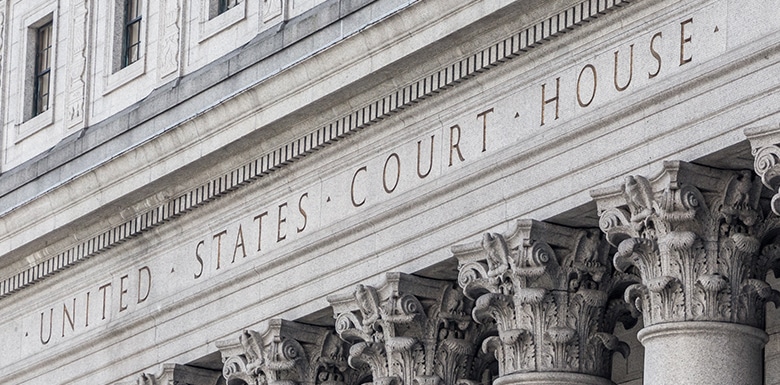
Most criminal offenses in Pennsylvania are handled in state court. State prosecutors and judges manage the vast majority of criminal cases, from DUI and assault to theft and drug possession. However, some situations elevate a case to the federal level.
If you are facing charges that could involve both state and federal laws, it’s crucial to understand how these cases move between jurisdictions—and how early legal intervention can affect the outcome.
Understanding the Line Between State and Federal Crimes
A case may move from state to federal court when the alleged conduct violates federal law, crosses state lines, or involves a federal agency or property. When that happens, the process undergoes considerable changes. Federal prosecutors, judges, and procedures operate under a different system with their own rules and priorities.
Federal cases are typically more complex, involve longer investigations, and carry more severe sentencing guidelines than state prosecutions. To understand how a case can shift between these two systems, it is helpful first to examine the differences between state and federal crimes.
The Difference Between State and Federal Crimes
Criminal law in the United States operates under two separate systems: state and federal. Each has its own laws, courts, and prosecutors, and each system handles different types of offenses.
State Crimes in Pennsylvania
State crimes involve violations of the Pennsylvania Crimes Code. These offenses include standard charges such as DUI, assault, burglary, domestic violence, or drug possession that occur entirely within the state’s borders.
Local police departments or state law enforcement agencies, such as the Pennsylvania State Police, typically investigate these crimes. County district attorneys prosecute them in the state’s Court of Common Pleas or local Magisterial District Courts.
Federal Crimes
Federal crimes involve violations of federal statutes enacted by Congress or offenses that occur on federal property. These cases are prosecuted by the U.S. Attorney’s Office and investigated by federal agencies, including the FBI, DEA, ATF, ICE, and IRS.
Examples of federal crimes include wire fraud, mail fraud, drug trafficking across state lines, firearm offenses, immigration violations, and crimes involving federal programs or officials.
Federal cases often involve months of investigation, coordination between multiple agencies, and strict procedural rules that differ significantly from those of state courts.
When a Pennsylvania Case Can Move to Federal Court
Not every serious offense will trigger federal jurisdiction. However, certain factors can cause a case that began at the state level to be transferred to federal prosecutors.
Crossing State Lines or Involving Interstate Activity
A case can move from state to federal court if the criminal activity crosses state lines or affects interstate commerce. For example:
- Transporting drugs, weapons, or stolen goods between states
- Using interstate communication systems, such as email, phone, or the postal service, to commit fraud or conspiracy
- Financial transactions processed through out-of-state banks or online platforms
Because the Constitution grants Congress the authority to regulate interstate commerce, these activities often fall within federal jurisdiction, even if they originate in Pennsylvania.
Federal Interest or Special Circumstances
Certain types of crimes automatically draw federal attention, such as:
- Offenses occurring on federal property, like military bases, post offices, or national parks
- Crimes involving federal employees or officials
- Offenses that misuse or defraud federal programs or funding, including Medicare, Medicaid, or COVID-19 relief funds
- Large-scale cybercrimes that impact systems or victims in multiple states
In these situations, federal prosecutors may coordinate with state authorities but ultimately bring the case under federal law.
Large-Scale or Multi-State Investigations
Criminal organizations or schemes that span multiple states almost always fall under federal investigation. Common examples include:
- Drug trafficking networks operating across state or national borders
- White-collar crimes involving interstate banking or securities fraud
- Human trafficking or child exploitation cases involving online communication
- Racketeering (RICO) cases that connect a series of criminal acts across jurisdictions
Because these cases require significant investigative power, federal agencies like the FBI or DEA often take the lead, consolidating the prosecution into federal court.
Dual Sovereignty – When Both Courts Have Jurisdiction
Under the legal principle known as the dual sovereignty doctrine, both state and federal governments can prosecute the same conduct if it violates their respective laws. This means a person could be charged in both state and federal court for the same underlying incident.
For example, if someone is arrested in Pennsylvania for distributing illegal drugs, state prosecutors might initially file charges under state drug laws. However, if evidence later shows that those drugs were transported across state lines or tied to a larger trafficking ring, federal prosecutors could file separate federal charges.
Although this may seem like double jeopardy, courts have long held that because the state and federal governments are distinct entities, both may prosecute offenses that affect their separate interests.
How Federal Charges Change the Stakes
When a case moves to federal court, the stakes increase dramatically. Federal prosecutors have more resources, and federal law often imposes stricter penalties than state law for similar conduct.
Sentencing Guidelines and Minimums
Federal judges must follow the United States Sentencing Guidelines, which are designed to ensure consistency nationwide. Many federal crimes carry mandatory minimum sentences, meaning judges have limited discretion to reduce penalties even if mitigating factors exist.
For example, federal drug trafficking and firearm offenses often require multi-year prison terms that cannot be reduced through plea negotiations or parole. This makes strategic defense planning especially important early in the process.
Federal Investigations Are More Extensive
Federal investigations tend to be methodical and data-driven. Agencies may use grand jury subpoenas, wiretaps, digital surveillance, and financial analysis to build cases over months or years before an arrest occurs.
By the time charges are filed, federal prosecutors often possess extensive evidence, making it essential for defendants to have experienced legal representation as soon as they learn they are under investigation.
Pretrial and Procedural Differences
Federal court follows its own set of rules, known as the Federal Rules of Criminal Procedure. Discovery, plea bargaining, and pretrial motions operate differently than in Pennsylvania’s state courts.
Even experienced state defense attorneys may find federal court challenging without specific federal trial experience, as the filing deadlines, evidentiary standards, and sentencing procedures are more complex.
What to Do If Your Case Might Go Federal
If you suspect that your criminal case in Pennsylvania may attract federal attention, it’s critical to act quickly. The sooner you speak with a defense attorney who understands both systems, the better your chances of managing how the case develops.
An experienced federal defense lawyer can:
- Contact federal prosecutors before formal charges are filed to clarify whether the case will remain in state court.
- Negotiate with federal authorities to limit or avoid federal prosecution.
- Evaluate the evidence, challenge jurisdictional claims, and build a defense tailored to federal standards.
- Protect your rights during grand jury proceedings and plea negotiations.
Federal prosecutors rarely file charges without substantial preparation. Having an attorney intervene early can influence how your case proceeds and may even prevent it from being transferred to federal court altogether.
FAQ – State vs. Federal Prosecution in Pennsylvania
Can a state case become federal after charges are filed?
Yes. Federal authorities can assume control of a case even after state charges are filed. This often happens when new evidence shows that the offense involved interstate elements, federal property, or violations of federal law.
Who decides whether a case is prosecuted federally?
The U.S. Attorney’s Office makes this decision, typically after consulting with investigative agencies and sometimes state prosecutors. They determine whether the federal government has jurisdiction and whether pursuing federal charges serves the public interest.
Can I be tried twice for the same crime?
Under the doctrine of dual sovereignty, yes. A defendant can face prosecution by both state and federal authorities for the same conduct if each government has a separate interest in enforcing its laws. However, this is relatively uncommon and usually reserved for serious offenses.
Are federal sentences longer than state sentences?
In most cases, yes. Federal sentencing guidelines are generally more rigid, and there is no parole in the federal system. Offenders typically serve a greater portion of their sentence before becoming eligible for supervised release.
Do I need a different lawyer for federal court?
Yes. Federal defense requires specialized knowledge of federal procedures, sentencing guidelines, and the practices of the U.S. Attorney’s Office. It is vital to work with an attorney who regularly handles federal cases in the U.S. District Courts of Pennsylvania.
Talk to a Pennsylvania Federal Defense Attorney Today
If your criminal case could move from state to federal court, you should not wait to get legal help. Federal prosecutors and investigators have significant power, and once they take an interest in your case, the situation can escalate quickly.
At Worgul, Sarna & Ness, Criminal Defense Attorneys, LLC, our team has extensive experience handling cases in both Pennsylvania state courts and federal courtrooms. Our dedicated attorneys understand the process of jurisdictional transfers and what it takes to defend clients facing serious federal charges.
Call us at (412) 281-2146 or contact us online to schedule a free consultation. We will review your situation, explain your options, and assist you in building the strongest possible defense.